
Get a Free Quote


Dock Repair Serving Austin, Lakeway, and the Lake Travis Area
Fortitude Services repairs docks for waterfront properties throughout the Austin, Texas area, with a focus on Lake Travis and the surrounding communities. The work happens at the dock, so there is no need to move the structure or wait on a shop schedule. Our team comes to the property, looks at what is damaged, and repairs it around your dock’s existing layout.
Areas we serve
- Lakeway
- Lago Vista
- Bee Cave
- Spicewood
- Volente
- Point Venture
- Briarcliff
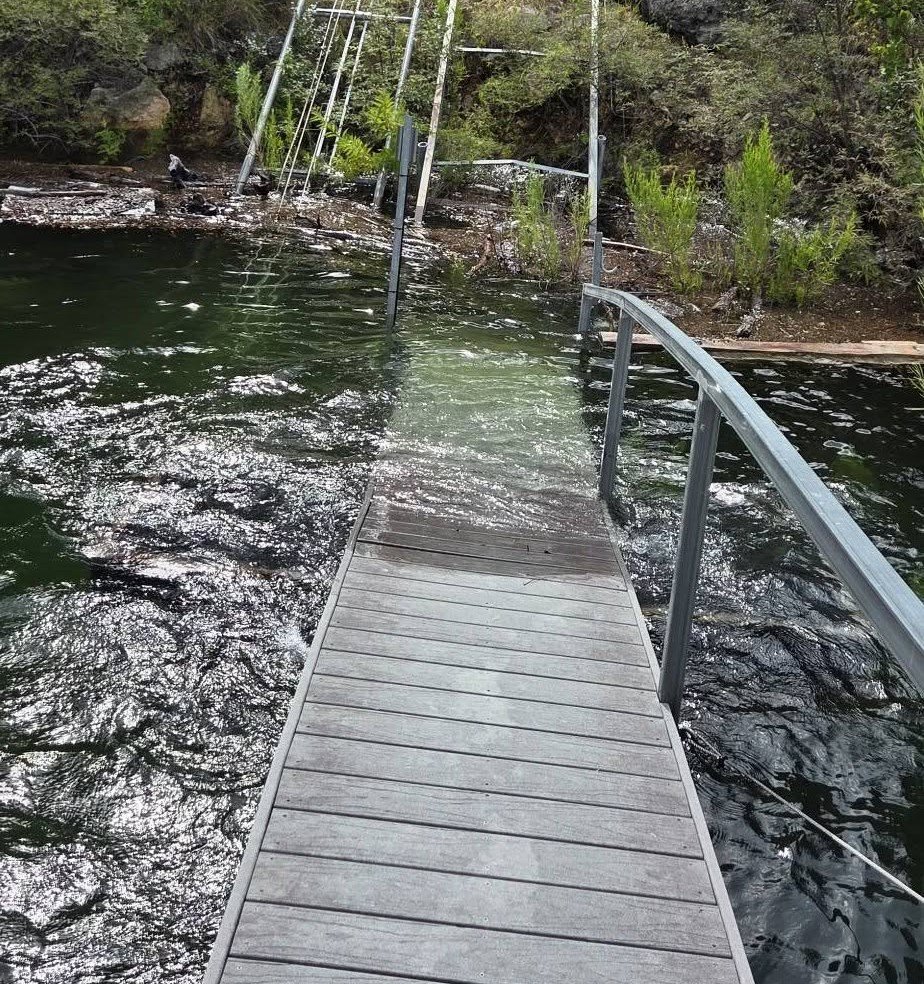
Common repairs include damaged decking, failing pilings, floating docks that have drifted off level, and gangways or walkways that no longer line up with a shoreline that has shifted. Lake Travis wears on docks faster than most lakes, since changing water levels leave pilings and hardware exposed to air for long stretches and then cover them again. Every job starts with an assessment in person, because the right fix depends on the materials, the age of the dock, and what is going on underneath the surface. If your dock needs work, reach out and we’ll take a look in person.
Is your dock due for a repair?
We come to you, inspect the damage, and scope the repair from there.
Frequently Asked Questions About Dock Repair in Austin, TX
How long does a dock last on Lake Travis before it needs major repair or replacement?
Most docks on Lake Travis need major attention somewhere between 15 and 25 years, though that range shifts a lot based on dock type. Floating docks depend on foam or drum flotation units that typically need replacing every 10 to 15 years, while the decking, framing, and hardware on any dock wear faster here than on a typical lake because of constant sun exposure and the lake’s dramatic water-level swings.
What’s the difference between a floating dock and a fixed dock, and which one do I have?
A floating dock rides on foam- or drum-filled flotation units attached to guide poles, rising and falling with the lake — this is the standard setup on Lake Travis because of its water-level swings. A fixed dock is built on pilings driven into the lakebed and stays at one height, which works on constant-level water like Lake Austin but can end up stranded or partly submerged on Lake Travis. If you’re not sure which one you have, an inspection will confirm it along with its condition.
My dock was damaged in a storm. Does it need to be repaired or fully replaced?
It depends on how much of the structure was affected. A few broken boards, a torn section of decking, or a damaged flotation unit are usually straightforward repairs. If the pilings have shifted, the frame has twisted, or multiple flotation units have failed at once, replacement is often more cost-effective than repeated repairs. An on-site inspection after storm damage is the best way to tell which situation applies before you’re back out on the water.
What materials are used to repair or rebuild docks in the Austin area?
Common options include pressure-treated wood and cedar for framing and decking, composite and PVC decking for lower maintenance, aluminum for dock frames and gangways, and foam- or drum-filled flotation for floating docks. Each material trades off differently against Central Texas heat, UV exposure, and constant contact with lake water, so the right choice usually depends on the dock type, budget, and how much upkeep you want to do going forward.
How often should a dock be inspected on Lake Travis?
An annual inspection is a good baseline, ideally timed for late winter or early spring before the busiest boating season starts. It’s also worth having a dock checked after any major storm, after a flood event that pushes the lake above full pool, or after an extended drought that drops the water level significantly, since those swings put unusual stress on flotation, guide poles, and pilings.
Will homeowners insurance cover dock repair or replacement?
Coverage varies a lot by policy and insurer. Some policies cover dock damage from a covered event like a storm or flood, while general wear, age-related deterioration, or damage from low water levels typically isn’t covered. It’s worth reviewing your specific policy or asking your agent directly, and we’re happy to provide documentation or photos from an inspection if you need something to support a claim.
Do you repair boat lifts and cable lifts, or only docks?
Both. Boat lift and cable lift repairs usually involve the motor, cables, pulleys, or bunks, and can often be handled without touching the dock itself. Replacement becomes the better option when the lift’s frame or the pilings supporting it have corroded or shifted enough that repair wouldn’t hold up. If your lift is struggling to raise or lower smoothly, that’s usually the first sign it needs a look.
Can I repair my own dock, or should I hire a professional?
Small, cosmetic fixes — tightening loose hardware, resealing wood, cleaning debris — are reasonable to handle yourself. Anything structural, including flotation, pilings, framing, or lift systems, is worth hiring a professional for. That work needs to meet the LCRA’s safety standards for docks on the Highland Lakes, and repairs done over or near the water carry real safety risks if you’re not set up for it.
Still have a question about your dock? Contact us and we’ll walk you through it.